
The Evolution of Advertising: From the 1800s to Today
- Jessica Gilcreast
- Feb 16
- 4 min read

Advertising has shaped how we discover products and ideas for centuries. As someone who loves thrifting, hunting for treasures at flea markets, and browsing yard sales for vintage finds, I’ve always been curious about how advertising evolved alongside these cultural habits. The story of advertising is a journey through changing technologies, styles, and consumer habits. Let me take you through some key moments in advertising history, showing how it grew from simple print ads to the complex, multimedia world we live in today.

1. Advertising in the 1800s: The Age of Print and Posters
In the 19th century, advertising was mostly about print. Newspapers, posters, and handbills were the main tools. Businesses used bold headlines and simple illustrations to catch attention. This was the era when many brands we recognize today started to build their identities.
Newspapers became the primary medium for ads, reaching a growing literate population.
Posters and handbills were common in cities, plastered on walls and street corners.
Ads often focused on local products, medicines, and household goods.
The language was straightforward, with phrases like “Best in Town” or “Guaranteed Quality.”
This period laid the foundation for advertising as a way to inform and persuade. It was also when the idea of branding started to take shape, with companies using logos and slogans to stand out.
2. Early 1900s: The Rise of Mass Media and Consumer Culture
The early 20th century brought new technologies that changed advertising dramatically. The invention of the radio and the growth of magazines expanded the reach of ads beyond local markets.
Magazines allowed for colorful, glossy ads that appealed to a growing middle class.
Radio advertising introduced sound and storytelling, making ads more engaging.
Brands began to focus on lifestyle and emotion, not just product features.
The concept of target audiences emerged, with ads tailored to different groups.
This era also saw the birth of advertising agencies, which helped businesses craft more sophisticated campaigns. It was a time when advertising became a key part of consumer culture, encouraging people to buy new products and embrace modern living.

3. Mid-1900s: Television and the Golden Age of Advertising
Television changed everything. By the 1950s and 60s, TV ads became the dominant force in advertising, combining visuals, sound, and storytelling in a powerful way.
TV commercials created memorable characters and jingles that stuck in people’s minds.
Advertisers used celebrity endorsements to build trust and excitement.
The post-war economic boom led to a surge in consumer spending, and ads reflected this optimism.
Products like cars, household appliances, and food brands became household names through TV ads.
This period also saw the rise of market research, helping advertisers understand what motivated buyers. The ads became more polished and creative, often reflecting the cultural trends of the time.
4. Late 1900s: The Digital Dawn and Niche Marketing
The late 20th century introduced computers and the internet, which started to change advertising again. While traditional media like TV and print remained strong, new digital platforms began to emerge.
The internet allowed for targeted ads based on user behavior and preferences.
Email marketing and banner ads became common ways to reach consumers.
Brands started to build online communities and interact directly with customers.
The rise of vintage and retro styles in advertising appealed to thrifters and collectors who loved nostalgia.
This era also saw the growth of specialty markets, with ads tailored to specific interests, including those who frequent flea markets and yard sales looking for unique vintage items.
5. Today: Multi-Channel, Personalized, and Authentic
Advertising today is a blend of many channels and techniques. It’s more personalized and interactive than ever before.
Brands use data to create ads that feel relevant to individual consumers.
Storytelling and authenticity are key, especially for audiences who value vintage and sustainable lifestyles.
Influencers and community voices play a big role in shaping opinions.
Offline events like flea markets and yard sales often feature local advertising that connects directly with thrifters and collectors.
The focus has shifted from just selling products to building relationships and experiences. Advertisers now understand that consumers want to feel part of a story, not just be sold to.

What This Means for Thrifters and Vintage Lovers
For those of us who love thrifting and hunting for vintage treasures, the evolution of advertising offers some interesting insights:
Many vintage ads themselves have become collectible items, showing styles and trends from past decades.
Understanding advertising history helps us appreciate how products were marketed and why certain items became popular.
Local advertising at flea markets and yard sales keeps the spirit of community alive, connecting sellers and buyers in a personal way.
The rise of digital platforms means thrifters can now find vintage items worldwide, but the charm of in-person flea market finds remains unmatched.
Advertising has always reflected the culture and technology of its time. From simple print ads in the 1800s to today’s personalized campaigns, it tells a story about how we shop, what we value, and how we connect.
If you enjoy exploring flea markets or hunting for vintage treasures at yard sales, take a moment to notice the ads around you. They are part of a long tradition that continues to evolve, just like the items you collect.
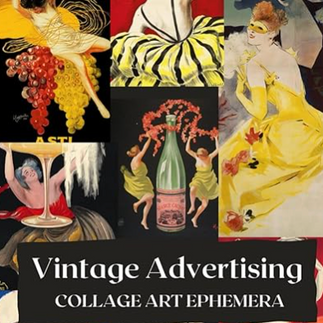
Take a look at this list of vintage advertising books that are perfect for collage work and junk journaling.


May your glue stick never dry out,


Comments